 5 min read time
Picture closing a hard-won deal with a health system. The contract is signed, implementation goes smoothly, and for a while everything is quiet, which is usually a sign things are going well. Then months later, that same customer refers your company to a peer organization, not because you asked them to, but because they trust you enough to vouch for you.
That kind of loyalty isn’t built by a great product or solution alone.
The companies that earn lasting trust are the ones that stop talking about themselves long enough to understand the people they serve. Donald Miller, author of Building a StoryBrand, has built an entire framework around the concept. He argues that customers don’t want to hear about how great your company is. They want to know you understand their challenges and can help them succeed.
For healthcare organizations, that means understanding more than purchasing decisions and reimbursement rates. It means recognizing the pressures your customers face every day: staffing shortages, budget constraints, changing regulations and the constant responsibility of delivering exceptional patient care.
When you consistently demonstrate those realities and act on them, you stop being another vendor. You become a trusted partner.
Cassling: A Case Study in Customer-First Growth
CQuence’s flagship portfolio company, Cassling, has spent decades building customer relationships around this philosophy. Cassling was founded in 1984 by Bob Cassling, who left a reliable job at a major imaging manufacturer to start a new company because he believed there was a better way to serve the customer. Service to customers, employees and the community remains the cornerstone of the Cassling organization today.

As an Advanced Partner of Siemens Healthineers, Cassling provides diagnostic imaging technology, service and support to hospitals and health systems across the country, helping healthcare providers deliver better patient care. With hundreds of medical imaging companies worldwide, and even more service providers, the people using that equipment every day need real reasons to trust the company behind it.
Understanding that well, Cassling has implemented proven strategies that consistently strengthen those relationships and improve the customer experience for those closest to the patient. While every organization is different, these are three strategies that can help any company build better customer relationships, from lean startup teams to scaling businesses and beyond.
1. See Your Customer: Recognition Matters
Recognizing the frontline employees who do the daily work, not just the executives who sign the contract, builds a level of trust a product or price point alone can’t create.
Too often, organizations focus their appreciation on executives or decision-makers while overlooking the frontline employees who make healthcare possible every day. Taking time to recognize those individuals and their talents sends a powerful message: We see you, and we appreciate the work you do.
What Cassling does: Since 2010, Cassling has been bringing this to life through two annual campaigns that recognize vital medical imaging professionals. Every October, Medical Ultrasound Awareness Month (MUAM) celebrates sonographers, honoring the precision they bring to ultrasound while educating the public about medical ultrasound and its many uses in healthcare.
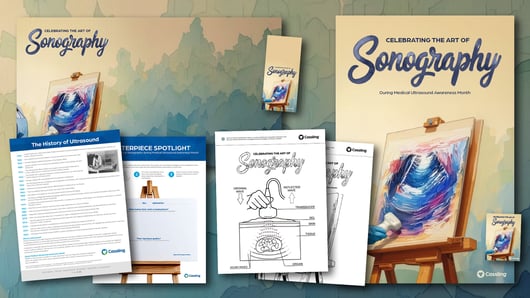
Similarly, every November, National Radiologic Technology Week (Rad Tech Week) honors radiologic technologists and their work to help diagnose diseases and injuries through interventional imaging procedures like X-ray, CT and MRI scans.
Through both campaigns, Cassling gives customers complimentary educational posters, stickers and digital resources so that imaging teams can celebrate their staff without spending a dime.
Why it works: These recognition campaigns aren’t tied to a sales conversation. Instead, they provide healthcare leaders with free, ready-to-use resources to celebrate their imaging teams, something many busy departments don’t have the time or budget to create themselves.
The impact of recognition goes far beyond a campaign itself. It demonstrates empathy for your customer’s reality while creating meaningful touchpoints that strengthen relationships. Instead of only reaching out when there’s a product to discuss, you’re providing value because you know it helps your customer.
That’s how trusted partnerships begin.
2. Teach Your Customer: Answer the Question Before It's Asked
Freely sharing knowledge before a customer has a purchasing need is one of the fastest ways to become their trusted resource. Instead of another vendor, you're viewed as someone invested in helping them solve problems, stay informed and grow professionally.
What Cassling does: Cassling built its Investing In You program more than twenty years ago to solve a hassle every imaging professional knows well: continuing education. Continuing education credits are time-consuming and costly to obtain, yet they are required to keep a license current. Rather than leave customers to solve this issue on their own, Cassling created a way for imaging and sonography professional to earn the credits at no cost.
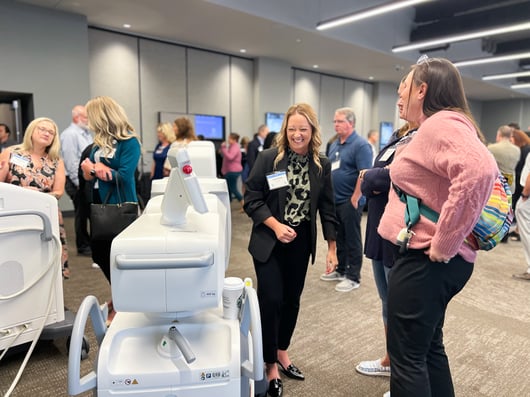
Today, that program offers both live and on-demand webinars, all free and approved for CE credit. Topics range from clinical and technical subjects to leadership development. Because sessions are on-demand, busy professionals can earn credits on their own schedule rather than rearranging their workday around training. The program culminates each August with the Investing In You Educational Summit, a free, in-person event featuring educational sessions, equipment demos and peer-to-peer networking.
Why it works: Providing high-value educational opportunities demonstrates an investment in your customer’s long-term success, not just the next sale. When a challenge eventually arises, customers naturally think of the organizations that have consistently helped them learn and grow. Because the trust has already been established, it makes future conversations more collaborative and far less transactional.
3. Learn From Your Customer: Turn Feedback into Partnership
Asking customers what they need, and actually acting on it, turns them from passive buyers into active collaborators in your strategy.
Talking to customers about your solution only goes so far. Talking with them about the problems they’re actually facing is what earns you a seat in their decision-making process. Many companies collect customer feedback. But the most successful companies use that feedback to directly influence strategy.
What Cassling does: Cassling’s Customer Advisory Council brings together a diverse group of customers who meet to give direct input on services, priorities and evolving needs. It’s a recurring seat at the table for the people actually living with the decisions Cassling makes.
Why it works: By inviting customers into the conversation, organizations shift the relationship from vendor to collaborator. And by acting on feedback, customers see that their perspectives matter and that their feedback leads to meaningful improvements.
The result is better services, stronger relationships and customers who feel invested in your organization’s success because they’ve helped shape it.
Customer Experience is a Team Sport
It’s important to recognize that these aren’t marketing strategies. They’re relationship strategies. And they only work when the entire organization truly believes in them.
That’s the reason these long-running programs have worked for Cassling and, more importantly, their customers. Marketing can create opportunities to connect with customers, but service, sales, leadership and other customer-facing teams determine whether those opportunities become lasting relationships.

Sales professionals who view these programs as genuine ways to service customers, know how to position these with customers and can leverage them to continue building trust long after a deal closes.
As frontline employees, service teams often become the consistent face of the organization. Every interaction reinforces, or undermines, the promises made during the sales process and influences who customers choose when a contract is up for renewal.
Leadership sets the tone by demonstrating that customer relationships are a strategic priority, whether that’s participating in customer events, championing advisory council feedback or recognizing the importance of customer-centric thinking throughout the organization.
A great marketing campaign cannot compensate for a company that doesn’t place the customer at the center of everything it does.
A Scalable Strategy for Any Company
A large education program or formal advisory council may not be right for a five-person team just getting started. But the underlying instinct, seeing your customer, teaching them something useful and listening to their needs, scales down as easily as it scales up.
A hand-written thank-you note or a customer feedback call in many ways carry the same weight. They are intentional decisions to treat the customer relationship as a strategy and not the byproduct of one. Start by asking yourself: where does this show up in how your company treats customers today, and where is there room to do more?
Lasting relationships are built by understanding, service and a belief that the ones who use your solution are the hero of the story.
Ready to Help Your Customers Save the Day?
Building a customer-first strategy doesn’t happen by accident. It starts with understanding your audience, identifying what matters most to them and creating meaningful ways to deliver value long before and long after a sale.
CQuence’s teams delivering strategic guidance and professional services can help healthcare organizations create targeted strategies grounded in buyer personas, customer insights and measurable business objectives. Whether you’re looking to strengthen customer loyalty or accelerate growth, we’re here to help you plan and execute a strategy so your customers win.
Learn more about how you can elevate your healthcare brand with our team of experts: https://www.cquencehealth.com/what-we-do